Satellite trains
VISIBLE NOW2RECENT BATCHES
2 batch launches in the last four days. Freshly deployed satellites stay clustered for a few nights and cross the sky as a line of evenly spaced lights — the single most common cause of a wave of reports.
SYS // UNIDENTIFIED
Most reports of something strange in the sky have an identifiable cause, and increasingly that cause is a satellite. This page is built to help you work out what you saw: what launched in the last four days, where the Space Station is right now, and what each of the usual suspects actually looks like from the ground.
It is not a sightings database, and that is a deliberate choice rather than a gap — the established ones forbid republication, and a worse copy would help nobody. What it is instead: the official record, the current credible reporting, and the part we can genuinely answer.
2RECENT BATCHES
2 batch launches in the last four days. Freshly deployed satellites stay clustered for a few nights and cross the sky as a line of evenly spaced lights — the single most common cause of a wave of reports.
440KM UP
The brightest human-made object in the night sky, and the most commonly misidentified. It is a single steady white light that crosses in about five minutes and never blinks.
5MISSIONS
Successful launches in the last four days, closest in time first. Anything that reached orbit put something new in the sky.
Every successful launch in the window, closest in time first. If you saw something you cannot place, start here.
Arianespace · Guiana Space Centre, French Guiana · 2026-08-27 20:11:00Z
SpaceX · Vandenberg SFB, CA, USA · 2026-08-26 09:35:11Z
A Starlink batch releases dozens of satellites into the same orbit. For the first few nights they stay clustered and cross the sky as an evenly spaced line of lights — by far the most common cause of a wave of sighting reports.
SpaceX · Cape Canaveral SFS, FL, USA · 2026-08-25 09:33:38Z
A Starlink batch releases dozens of satellites into the same orbit. For the first few nights they stay clustered and cross the sky as an evenly spaced line of lights — by far the most common cause of a wave of sighting reports.
China Aerospace Science and Technology Corporation · Taiyuan Satellite Launch Center, People's Republic of China · 2026-08-25 03:21:00Z
Russian Space Forces · Plesetsk Cosmodrome, Russian Federation · 2026-08-24 02:40:00Z
A field guide to the things most often reported, and how to tell them apart from the ground.
A line of evenly spaced lights, all moving together in the same direction, silent, taking a few minutes to cross the sky.
How to tell: Check the launch list below. A batch launched in the last few nights is the answer far more often than not.
A single very bright, steady white light moving steadily across the sky, brighter than any star, gone in about five minutes. No flashing.
How to tell: It never flashes and never changes direction. The live tracker on this site says where it is right now.
An expanding, glowing spiral or jellyfish-shaped cloud, sometimes enormous, usually shortly after dark or before dawn.
How to tell: Sunlight catching exhaust in the upper atmosphere while the ground is already dark. Almost always within an hour of a launch, and visible for hundreds of kilometres.
Several fragments travelling together on the same path, glowing orange or yellow, slower than a meteor and lasting far longer.
How to tell: A meteor is over in a second or two. Debris re-entry can last a minute and visibly breaks apart.
A brief, intense flash from a moving point of light that then fades.
How to tell: Sunlight glinting off a flat panel. It brightens and dims smoothly rather than blinking.
Steady motion with red and green navigation lights and a regular strobe.
How to tell: Anything that blinks in a regular rhythm is almost certainly an aircraft. Nothing in orbit flashes.
Primary sources, linked rather than reproduced. Each is described by what it is, not by what it concluded — these servers refuse automated requests, so we cannot read them on your behalf and will not summarise a document we have not opened.
US Department of Defense
The office the US government established in 2022 to receive, catalogue and investigate reports of unidentified anomalous phenomena across air, space, sea and land. It publishes case resolutions and annual reports to Congress.
Office of the Director of National Intelligence
The June 2021 assessment that put the subject on the official record, prepared for Congress by the ODNI. It is the document most later reporting traces back to.
NASA
NASA convened an independent panel of scientists to advise on how UAP data could be studied with the ordinary tools of science rather than of intelligence. Its report was published in September 2023.
US National Archives
The US Air Force's own investigation, running from 1952 to 1969, and its case files. The archive is the primary source for the historical era of the subject.
Coverage from the spaceflight press. These are news articles, not evidence, and they are listed because they are what is being written — not because this site endorses any claim in them.
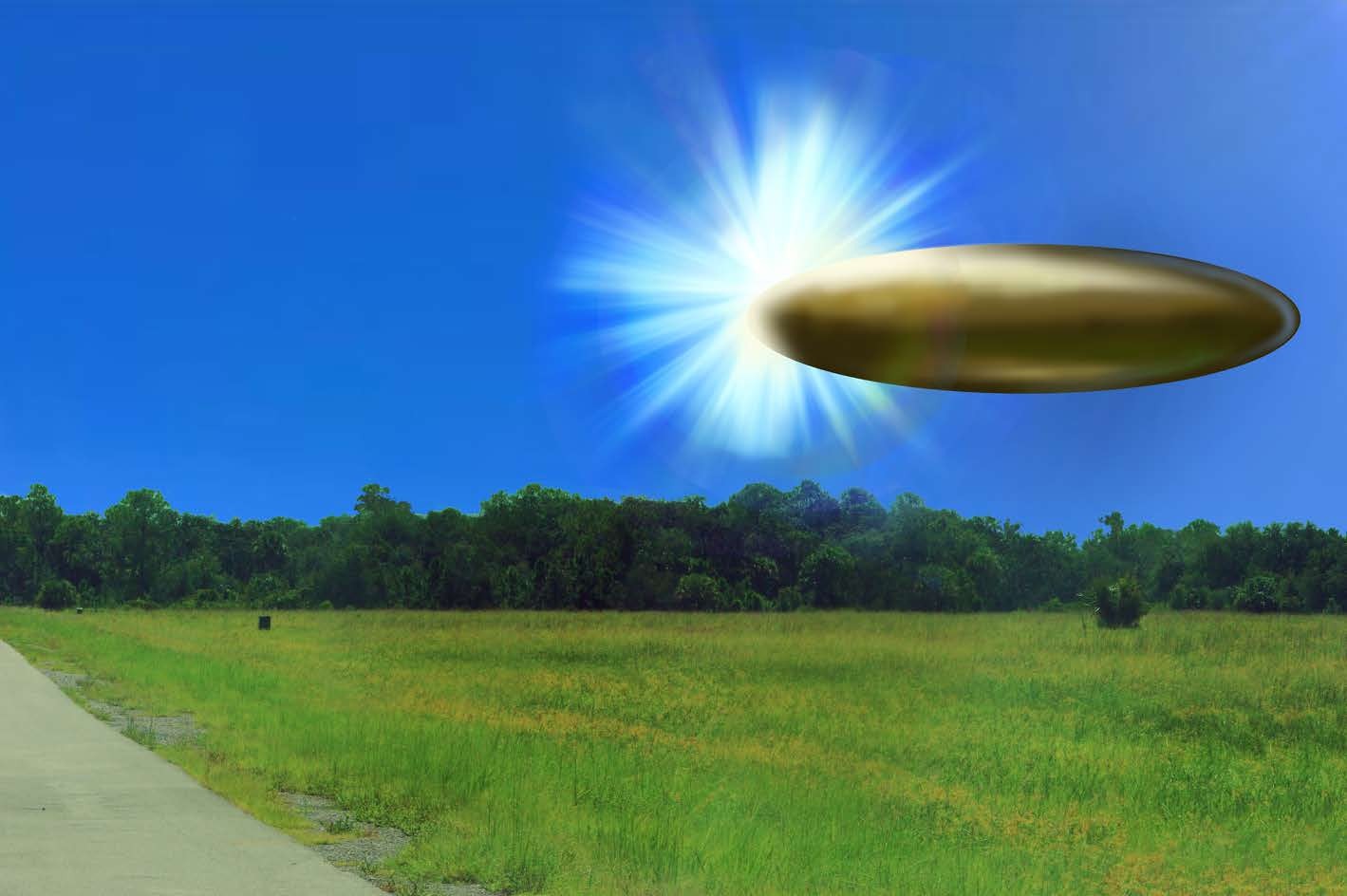
Here at Ars Technica, we do not preclude the possibility that aliens have visited Earth.
Reported and summarised by Arstechnica. Opens in a new tab.

The Johns Hopkins University Applied Physics Laboratory is seeking a new director to succeed Ralph Semmel who will retire next summer. JHUAPL encompasses four sectors: Air and Missile Defense, Asymmetric...
Reported and summarised by SpacePolicyOnline.com. Opens in a new tab.
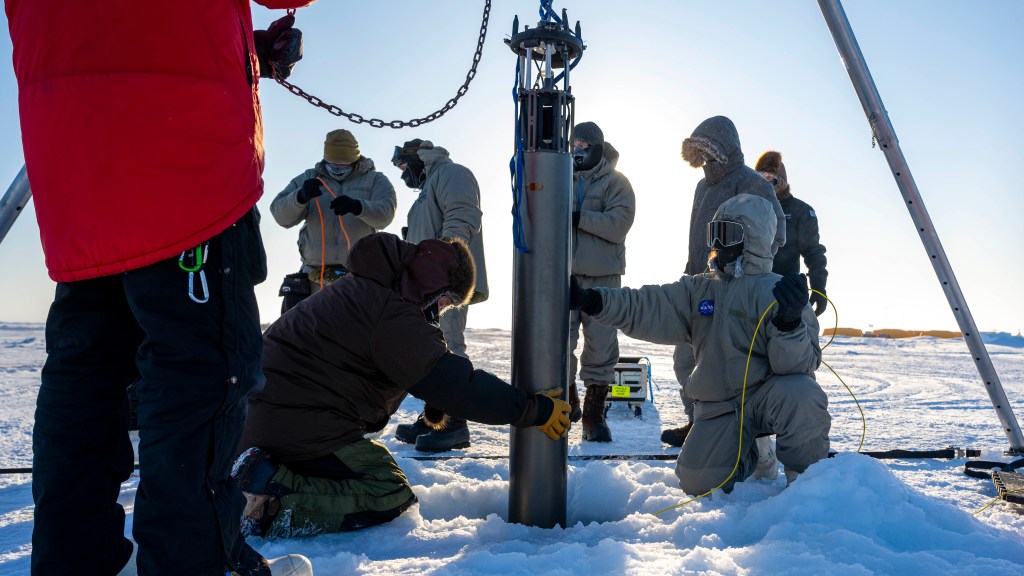
Called IceNode, the project envisions a fleet of autonomous robots that would help determine the melt rate of ice shelves. On a remote patch of the windy, frozen Beaufort Sea north of Alaska, engineers from NASA’s Jet Propulsion Laboratory in Southern California huddled together, peering down a narrow hole in a thick layer of sea […]
Reported and summarised by NASA. Opens in a new tab.
NASA announced it would take new steps to help understand unidentified anomalous phenomena (UAP), vowing transparency while also being reticent to disclose some details.
Reported and summarised by SpaceNews. Opens in a new tab.

NASA released the report of its year-long analysis of unclassified data about Unidentified Anomalous Phenomena, more commonly known as UFOs, today. Government interest in UAPs has skyrocketed in recent years […]
Reported and summarised by SpacePolicyOnline.com. Opens in a new tab.

In response to a recommendation by an independent study team for NASA to play a more prominent role in understanding Unidentified Anomalous Phenomena (UAP), the agency announced Thursday it is appointing a director of UAP research.
Reported and summarised by NASA. Opens in a new tab.
In response to a recommendation by an independent study team for NASA to play a more prominent role in understanding Unidentified Anomalous Phenomena (UAP), the agency announced Thursday it is appointing a director of UAP research.
Reported and summarised by NASA. Opens in a new tab.
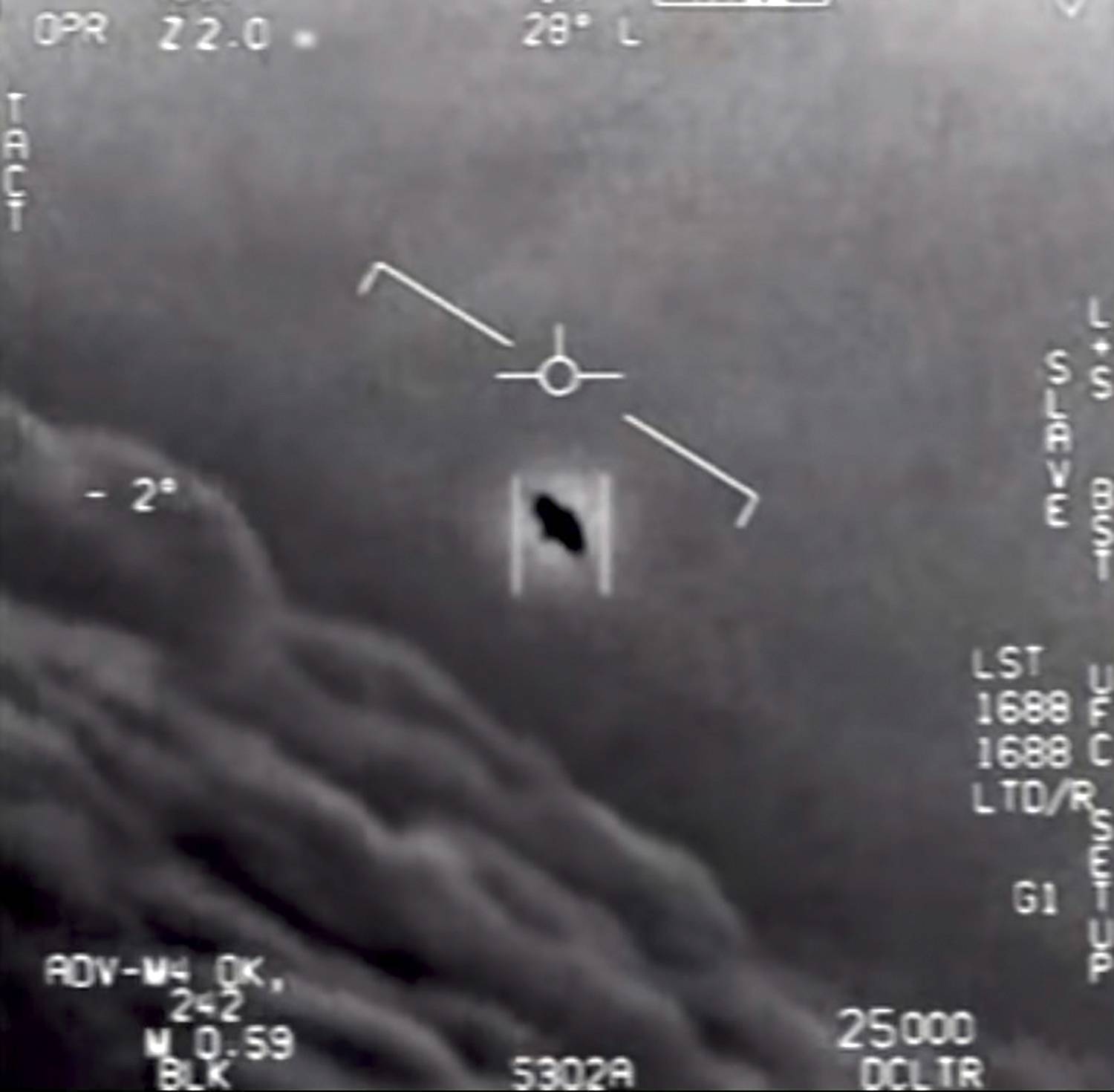
NASA Independent Study Team releases final report on Unidentified Anomalous Phenomena.
Reported and summarised by The Launch Pad. Opens in a new tab.
NASA will host a media briefing at 10 a.m. EDT on Thursday, Sept. 14, at the agency’s headquarters in Washington to discuss the findings from an unidentified anomalous phenomena (UAP) independent study team it commissioned in 2022.
Reported and summarised by NASA. Opens in a new tab.

The US House Oversight Commitee held a historic hearing on Unidentified Anomalous Phenomena: Implications on National Security, Public Safety, and Government Transparency.
Reported and summarised by The Launch Pad. Opens in a new tab.
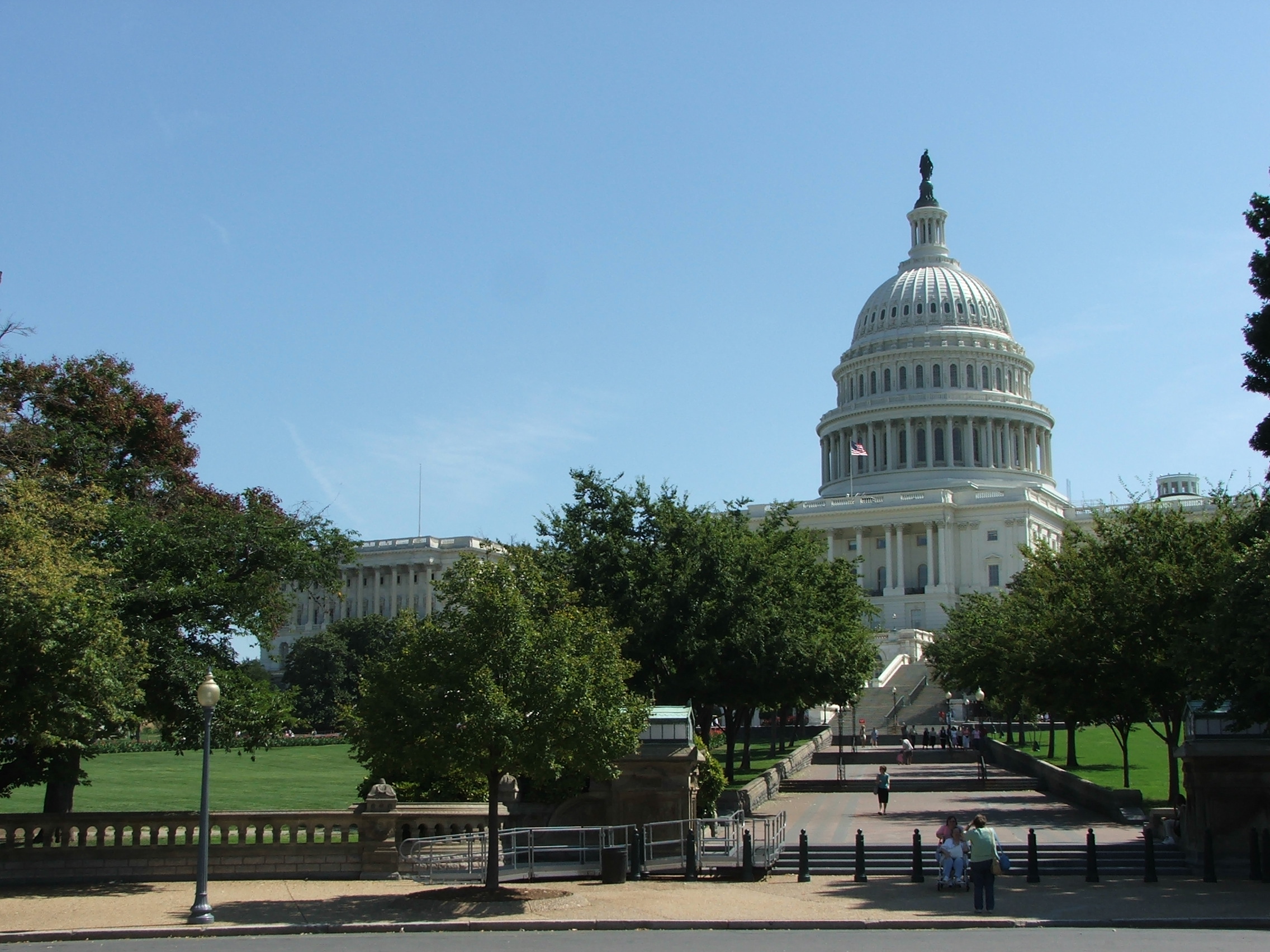
Congress introduces new Unidentified Aerial Phenomena Transparency Amendment
Reported and summarised by The Launch Pad. Opens in a new tab.

NASA is holding a public meeting at 10:30 a.m. EDT Wednesday, May 31, of its independent study team on categorizing and evaluating data of unidentified anomalous phenomena (UAP). The agency also will host a media teleconference at the conclusion of the meeting.
Reported and summarised by NASA. Opens in a new tab.
Launch data is from The Space Devs’ Launch Library 2. Station position is from a live public feed. Reporting is from the Spaceflight News API, which indexes spaceflight publications — it is used here in preference to a general news index precisely because it does not surface tabloid coverage.
There is no sightings database on this page. The best-known one forbids scraping and redistribution in its own terms, and the official US archives block automated requests from servers, so they are linked for you to read directly. Nothing on this page asserts what any official report concluded.