The next orbital launch is Ariane 62 | MTG-I2, flown by Arianespace from Guiana Space Centre, French Guiana, lifting off at 20:10 UTC on 27 August 2026. Delta-V tracks every upcoming orbital launch with a live countdown, carries spaceflight news from every major outlet, reports space weather and near-Earth objects, and runs a free gravity-flight game in the browser.
The operator has not published how firm this date is. Treat it as provisional.
PAD
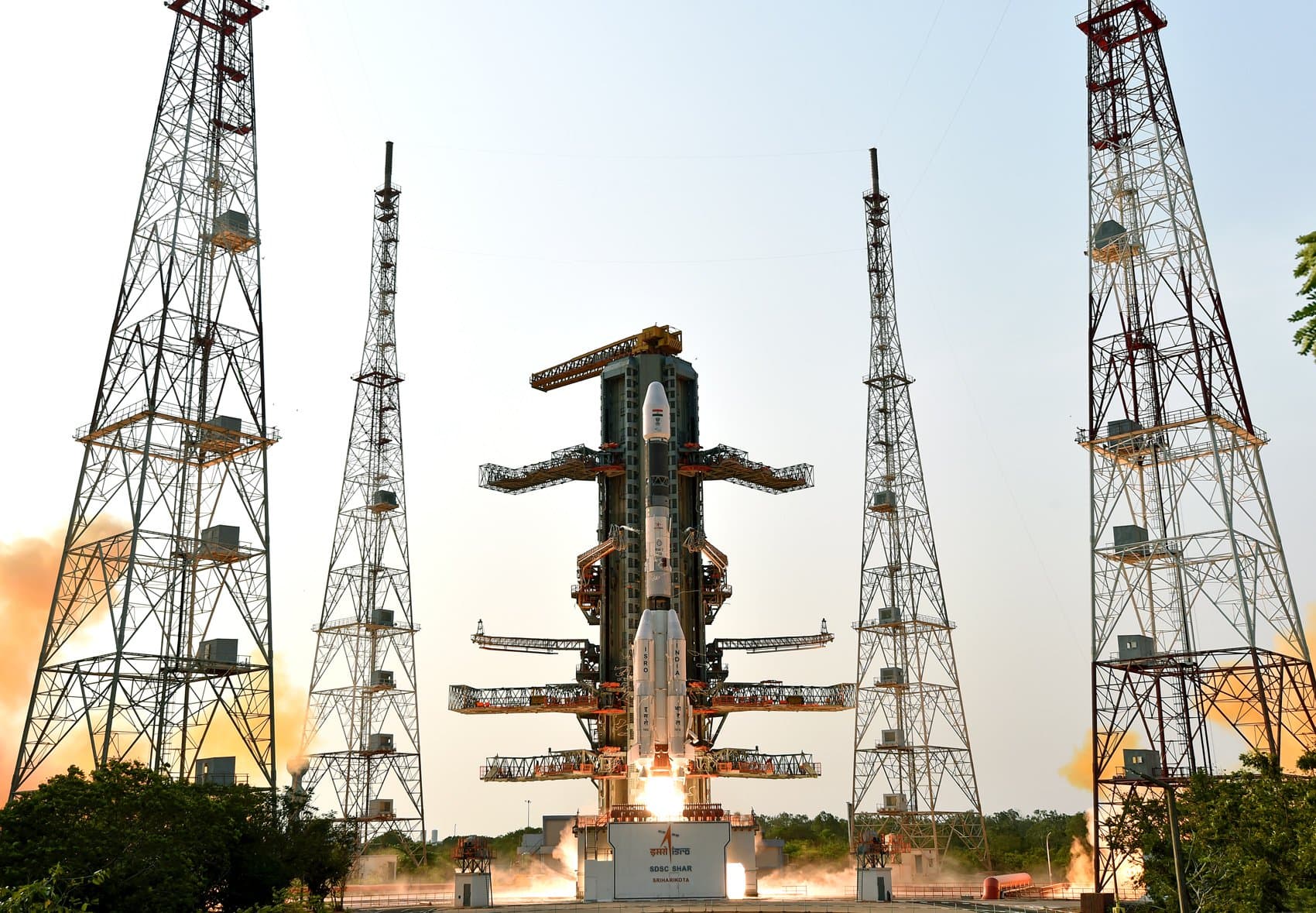
Satish Dhawan Space Centre Second Launch Pad · Satish Dhawan Space Centre, India
VEHICLE
GSLV Mk. II
ORBIT
GTO
WINDOW
4 H
OPEN MISSION BRIEF
PLAY DELTA-V
SYS-00/RENDER
WEBGLSTANDBY
LOADING FLIGHT COMPUTER
Burn exactly enough fuel
Delta-V is a gravity-flight simulator about orbital mechanics you can feel in your thumbs. Plot the burn, commit, and find out whether you budgeted for the way back. It runs in this browser tab — no account, no install.
Every body pulls. Slingshot a moon to save fuel, or misjudge the periapsis and become part of the surface.
Delta-v is the only currency. Spend it early and the return trip becomes a theory.
Salvage the Kessler belt for parts — and for the few things better left where they are.
Turkey will sign the Artemis Accords during a ceremony at 2:30 p.m. EDT Monday, Aug. 31, at NASA Headquarters in Washington, becoming the 71st country signatory. NASA Administrator Jared Isaacman will host Turkish Minister of Industry and Technology Mehmet Fatih Kacır for the ceremony, together with U.S. Department of State officials. This event is in person only. […]
Reported and summarised by NASA. Opens in a new tab.
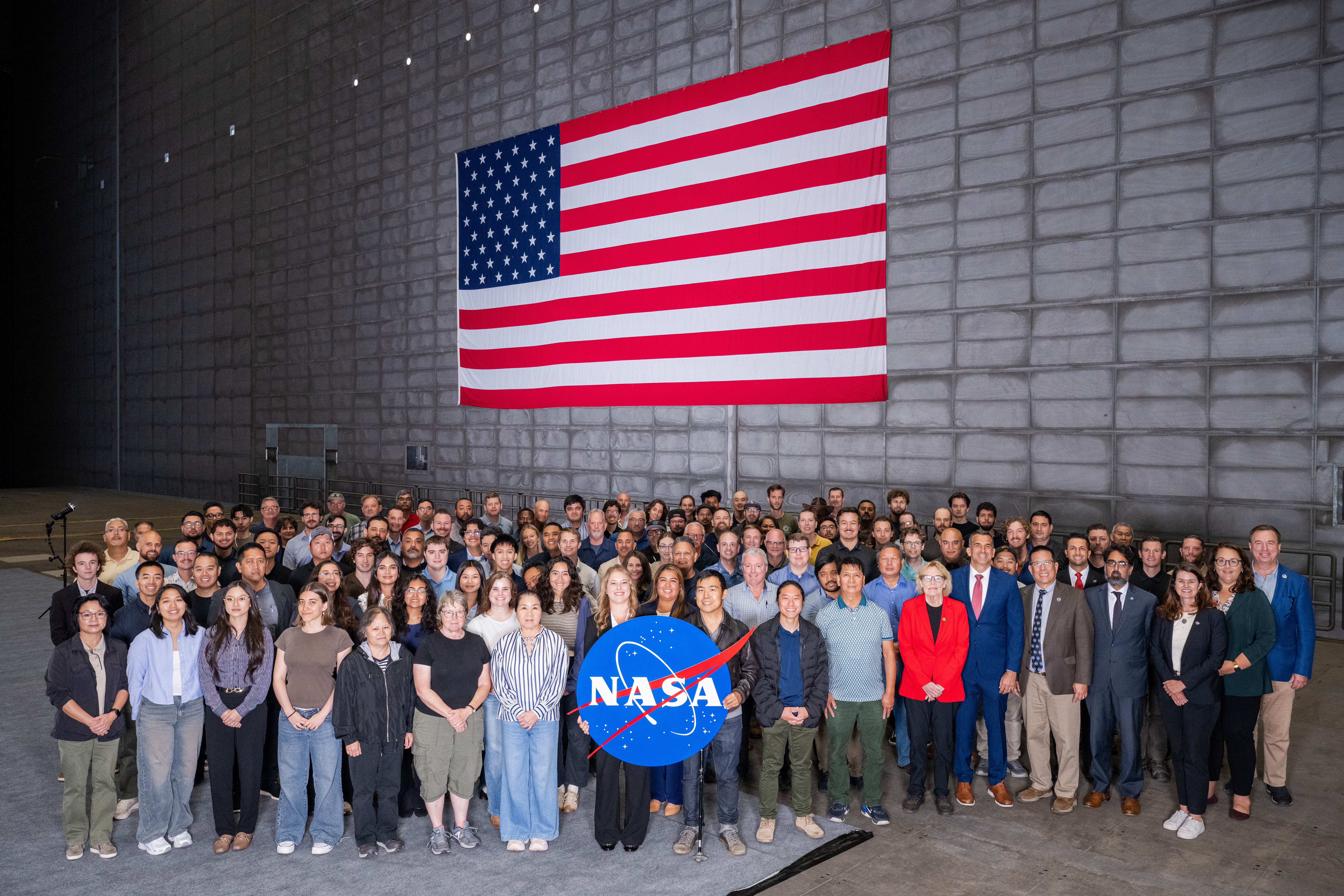
New civil servants and guests pose for a group photo with NASA and center leadership in the National Full-Scale Aerodynamics Complex (NFAC) 80-by-120-foot test section, N221 on Aug. 24, 2026. The civil servants were sworn-in the same day in the largest swearing-in ceremony ever hosted at NASA’s Ames Research Center in California’s Silicon Valley since […]
Reported and summarised by NASA. Opens in a new tab.
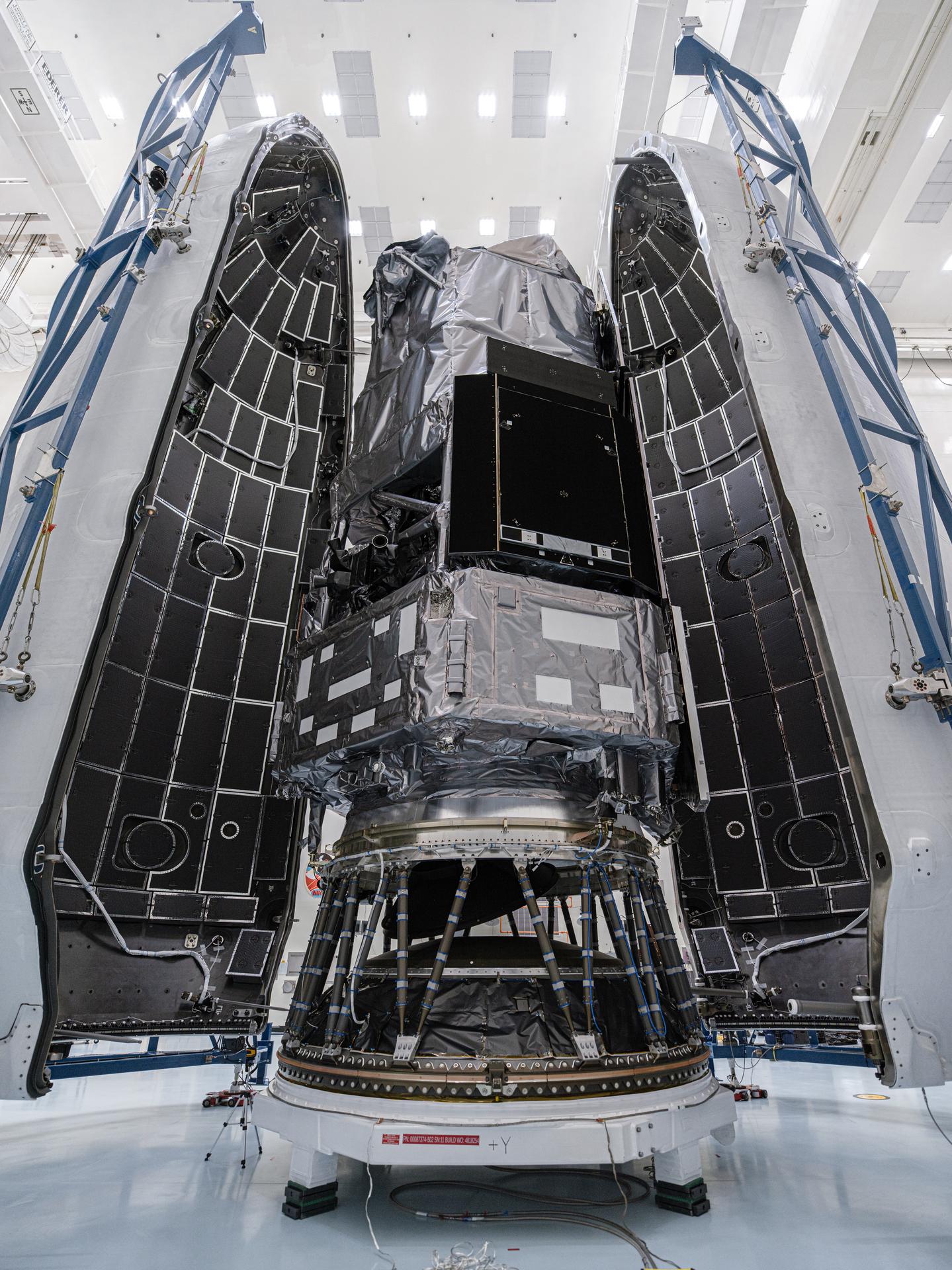
NASA’s Nancy Grace Roman Space Telescope is set to launch at 7:26 a.m. EDT on Sunday, Aug. 30. While you wait to watch the launch, brush up on some key facts about this wide-view mission. To learn more about the Roman mission, visit: https://www.nasa.gov/roman Media contact: Claire AndreoliNASA’s Goddard Space Flight Center, Greenbelt, Md.claire.andreoli@nasa.gov301-286-1940
Reported and summarised by NASA. Opens in a new tab.
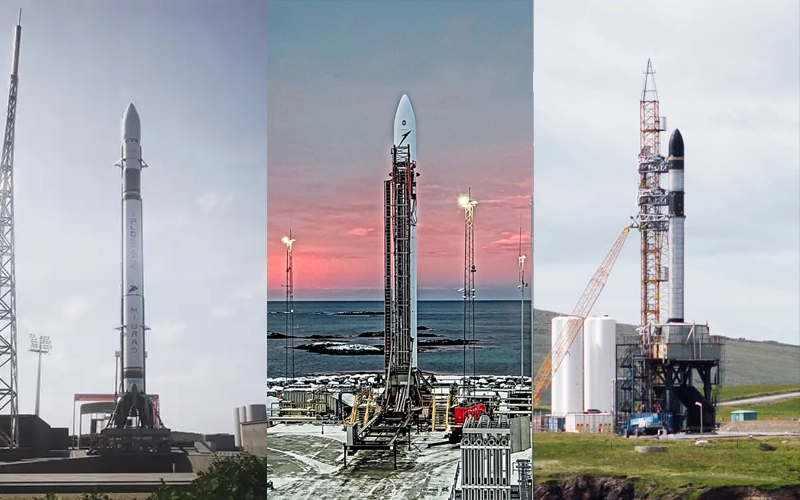
The European Space Agency has signed the first contracts under its European Launcher Challenge, committing a combined €543.6 million to Isar Aerospace, Rocket Factory Augsburg, and PLD Space. MaiaSpace was notably not among the awardees, with the agency stating that the contract award process with the company is “expected to resume in the coming weeks.” […]
The post ESA Awards €544 Million in European Launcher Challenge Contracts appeared first on European Spaceflight.
Reported and summarised by European Spaceflight. Opens in a new tab.
Below storm threshold. Aurora stays near the poles at this level.
AURORAUNLIKELY
OBSERVED2026-08-27 15:00:00Z
ASTRONOMY PICTURE OF THE DAY
NASA/APOD
RECEIVED
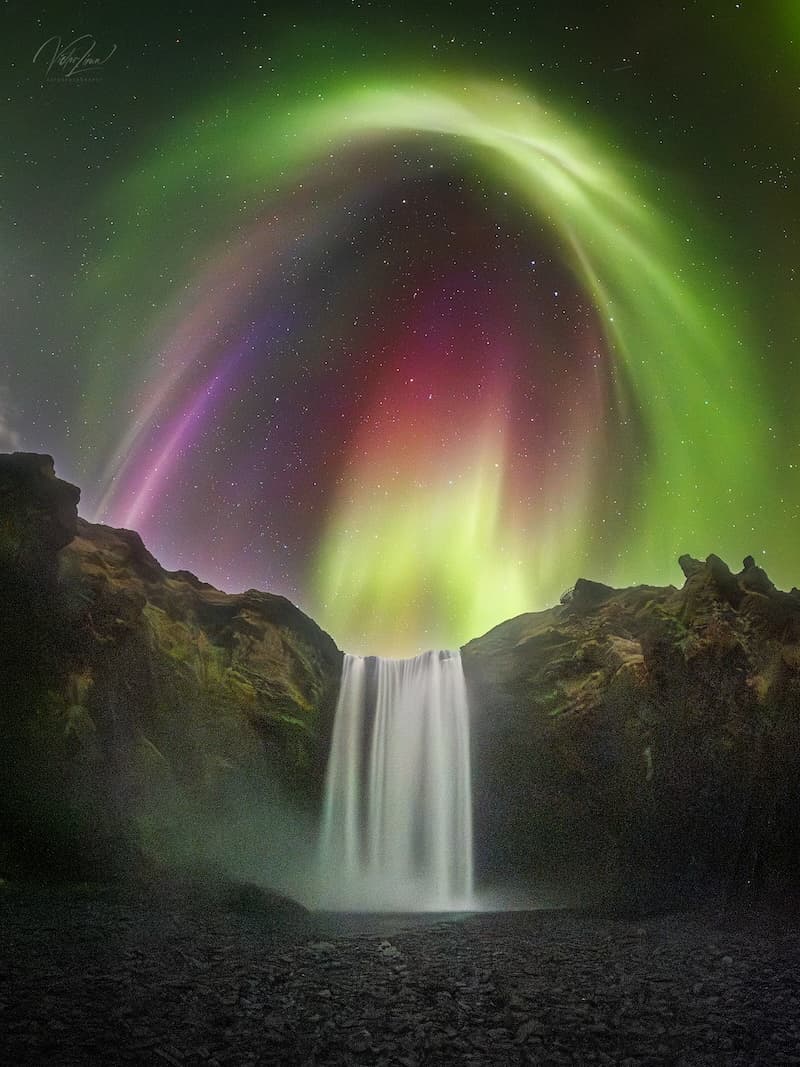
Colorful Aurora over Icelandic Waterfall
2026-08-27
Credit: Victor Lima Text: Cecilia Chirenti (NASA GSFC, UMCP, CRESST II)
What a sight to behold, when a night sky became filled with colors that appeared to rain over the Skógafoss waterfall in Iceland. This image was taken in a single 5 second exposure by the photographer in April 2025. Seeing an aurora is on many people's bucket lists. But it is not easy. It requires high solar activity, dark and clear skies, and usually a viewing location at high latitude. That makes the northern lights more easily seen than the corresponding southern lights, simply because there is less landmass in the Southern Hemisphere, especially around the Antarctic Circle. Auroras are caused by charged particles from the solar wind that are captured by the Earth's magnetosphere and guided by the magnetic field to a region close to one of the poles, where they collide with gas particles in the atmosphere. Different colors indicate interactions with different gases at different altitudes, like oxygen (red and green) and nitrogen (blue and pink). APOD's main NASA site is moving : From apod.nasa.gov to science.nasa.gov/apod
FREQUENT QUESTIONS
REF-01
ANSWERED
When is the next rocket launch?
The next orbital launch is Ariane 62 | MTG-I2, flown by Arianespace from Guiana Space Centre, French Guiana, lifting off at 20:10 UTC on 27 August 2026. That T-0 is confirmed to the minute or better.
Where can I watch launches?
Most operators open an official stream roughly twenty minutes before T-0. Every launch page on this site links that official webcast when the operator has published one, and flags it as live once the stream opens.
Is Delta-V free to play?
Yes. Delta-V runs free in any modern browser with nothing to install, and the Android build is a free download. There is no paywall on the flight model or the campaign.
COMMS UPLINK
SYS-07/MAIL
STANDING BY
One dispatch a week: what flew, what slipped, and anything worth setting an alarm for.
Written by a person, sent from the same console that runs this site.
No spam. We never sell the list. Unsubscribe from any email.
 SpaceXUnited States of America