Vehicle file · LV-137
New Shepard
Blue Origin · RETIRED
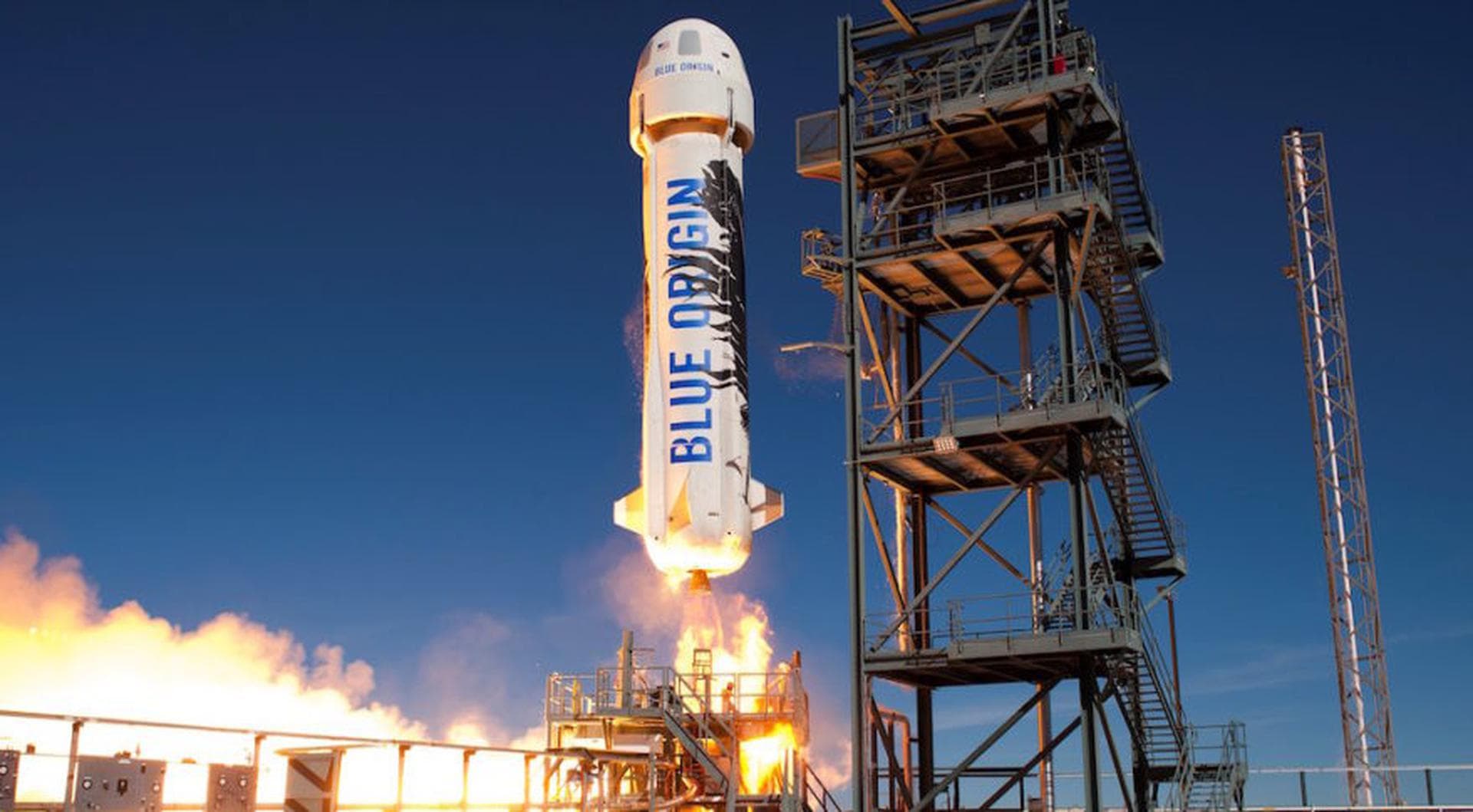
New Shepard is a partly reusable orbital launch vehicle built by Blue Origin. It stands 15.0 m tall, lifts 0 kg to low Earth orbit, first flew on 29 April 2015. It has flown 38 times with 37 successes, a success rate of 97.4%. It has no flight on the public manifest at the moment.
Specification
Vehicle spec sheet
PUBLISHED
Height15.0 m
Diameter3.7 m
Payload to LEO0 kg
Payload to GTO0 kg
Maiden flight29 April 2015
ReusableYes — stage recovery
Launch costNOT PUBLISHED
StatusRetired
Flight record
Reliability
ON RECORD
Total flights38
Successful37
Failed1
Success rate97.4%
Landing attempts38
Landing success94.7% (36)
Scheduled0
About New Shepard
The New Shepard reusable launch system is a vertical-takeoff, vertical-landing (VTVL), suborbital manned rocket that is being developed by Blue Origin as a commercial system for suborbital space tourism.
Upcoming flights
Manifest
EMPTY
No New Shepard flight is filed in the current manifest window. Missions appear here the moment a launch date is published.
All upcoming launchesCommon questions
- How many times has New Shepard flown?
- New Shepard has flown 38 orbital missions, with 37 successes and 1 failures.
- What is New Shepard's success rate?
- New Shepard has a success rate of 97.4%, from 37 successful flights out of 38 attempts. Booster recovery succeeds 94.7% of the time across 38 landing attempts.
- When is the next New Shepard launch?
- New Shepard has no flight on the public manifest at the moment. Scheduled missions appear here as soon as a launch date is filed.
- How much can New Shepard lift to orbit?
- New Shepard is rated for 0 kg to low Earth orbit and 0 kg to geostationary transfer orbit. These are the operator's published maximums and assume an expendable or fully optimised configuration.
- Is New Shepard reusable?
- Yes. New Shepard recovers and reflies at least one stage, with 36 successful recoveries from 38 attempts. Reusable does not mean the whole vehicle comes back — usually it is the first stage.