Vehicle file · LV-55
Falcon 9 Full Thrust
SpaceX · Falcon · RETIRED
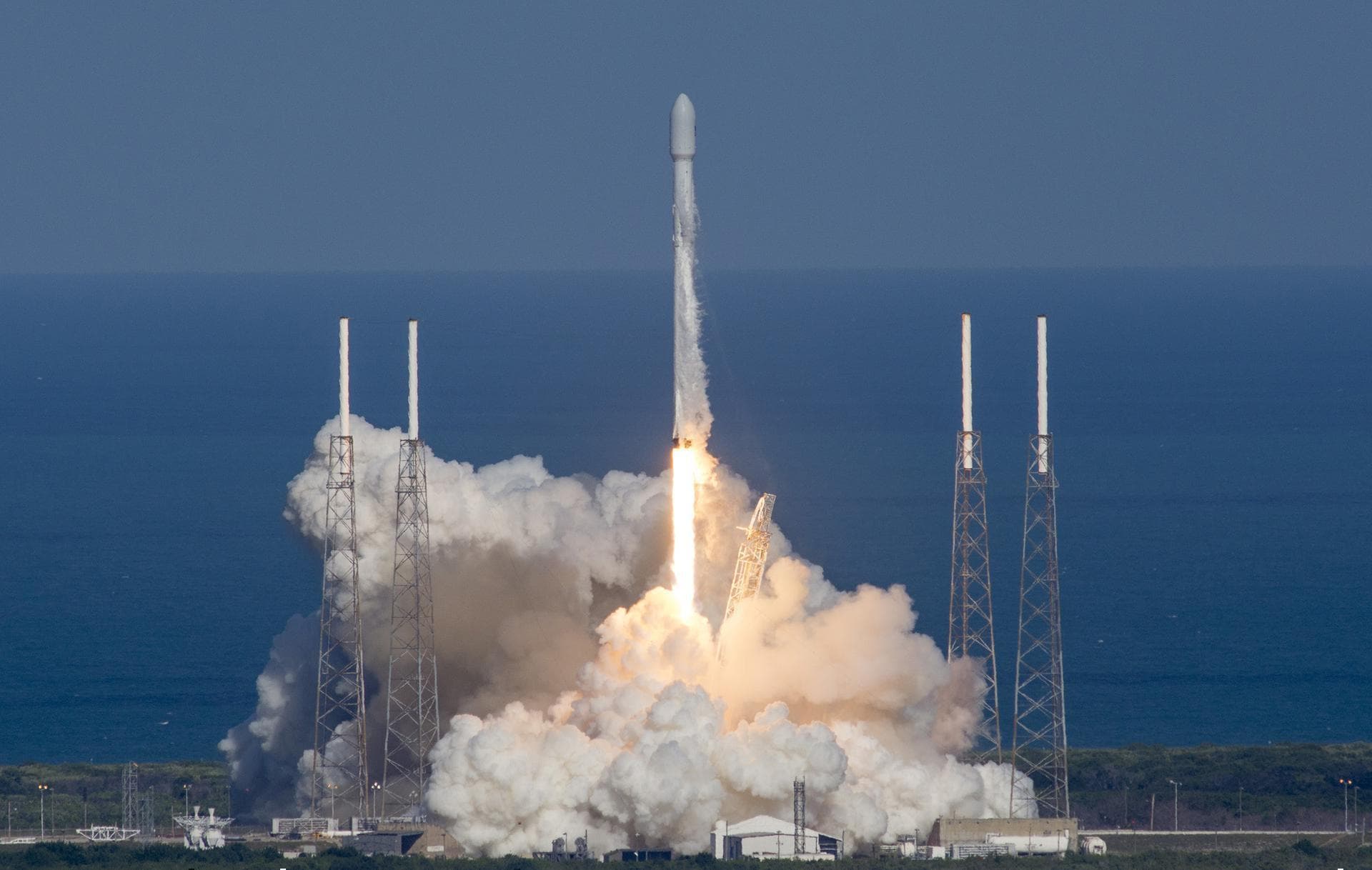
Falcon 9 Full Thrust is a partly reusable orbital launch vehicle built by SpaceX. It stands 71.0 m tall, lifts 22,800 kg to low Earth orbit, first flew on 22 December 2015. It has flown 25 times with 24 successes, a success rate of 96.0%. It has no flight on the public manifest at the moment.
Specification
Vehicle spec sheet
PUBLISHED
Height71.0 m
Diameter3.6 m
Payload to LEO22,800 kg
Payload to GTO8,305 kg
Maiden flight22 December 2015
ReusableYes — stage recovery
Launch cost$50,000,000M
StatusRetired
Flight record
Reliability
ON RECORD
Total flights25
Successful24
Failed1
Success rate96.0%
Landing attempts18
Landing success88.9% (16)
Scheduled0
VariantFull Thrust
About Falcon 9
The Full Thrust variants first stage includes all systems necessary for an operational re-use of stages while the second stage is operated as an expendable rocket stage.
Upcoming flights
Manifest
EMPTY
No Falcon 9 flight is filed in the current manifest window. Missions appear here the moment a launch date is published.
All upcoming launchesCommon questions
- How many times has Falcon 9 Full Thrust flown?
- Falcon 9 Full Thrust has flown 25 orbital missions, with 24 successes and 1 failures.
- What is Falcon 9 Full Thrust's success rate?
- Falcon 9 Full Thrust has a success rate of 96.0%, from 24 successful flights out of 25 attempts. Booster recovery succeeds 88.9% of the time across 18 landing attempts.
- When is the next Falcon 9 Full Thrust launch?
- Falcon 9 Full Thrust has no flight on the public manifest at the moment. Scheduled missions appear here as soon as a launch date is filed.
- How much can Falcon 9 Full Thrust lift to orbit?
- Falcon 9 Full Thrust is rated for 22,800 kg to low Earth orbit and 8,305 kg to geostationary transfer orbit. These are the operator's published maximums and assume an expendable or fully optimised configuration.
- Is Falcon 9 Full Thrust reusable?
- Yes. Falcon 9 Full Thrust recovers and reflies at least one stage, with 16 successful recoveries from 18 attempts. Reusable does not mean the whole vehicle comes back — usually it is the first stage.